

Etilen-Glecol®
Composition, quality, properties =
standard ethylene glycol
However, its carbon footprint is
75% smaller than newly produced hydrocarbon-based ethylene glycol
IUPAC name: Ethane-1,2-diol
Synonyms: Monoethylene glycol; MEG; Ethanediol; Ethylene glycol
EC #: 203-473-3
CAS #: 107-21-1
Molecular formula: C2H6O2
REACH Registration Number: 01-2119456816-28

PATENTED GLYCOL PURIFICATION PROCEDURE
Thanks to the purification technology patented by our partner companies, the collected ethylene glycol has the standard quality and content parameters at the end of the regeneration process, thus ensuring the same heat and antifreeze capacity.
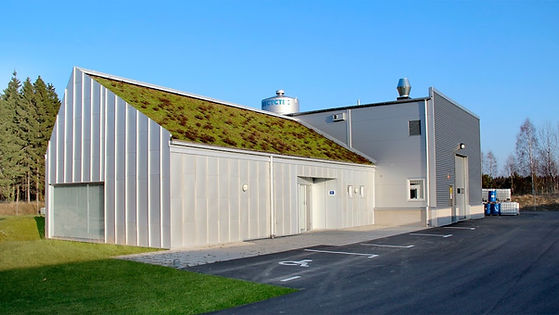

THE MOST CLIMATE-FRIENDLY ETHYLENE GLYCOL
"The most environmentally friendly product doesn’t even have to be produced — again."
Due to the process mentioned above, the production of the regenerated Etilen-Glecol® emits by 75% less carbon dioxide than the currently general ethylene glycol-based heat transfer liquids from hydrocarbon sources (RISE Research 2019).
CIRCULAR ECONOMY
The circular economy covers circular processes of efficient reuse of resources, materials and products. In this concept, the life of products and materials is extended as much as possible, and waste is reduced to a minimum level.
The European Union intends to promote the initial phase of this new type of economic model with great vigor, with ideas (tax relief and carbon duty) that will help to spread this approach as soon as possible in the field of chemicals used in industrial quantities.

Description
-
High purity, technical antifreeze fluid, which is also used in building services, heat recovery systems and as a refrigerant in motor vehicles.
-
In an industrial environment, the use of ethylene glycol is more common due to lower purchase prices and lower operating costs due to lower viscosity (lower pump consumption). and better heat transfer properties.
-
Ethylene glycol is a toxic substance that is hazardous under REACH and requires greater care in terms of safety at work.
Specification
-
Freezing point: -70 ° C
-
Boiling point: 197.3 ° C
-
Density: 1.1132 g / cm3
-
Viscosity: 16.1 mPa.s
-
With dilution, the freezing point is not directly proportional.
-
1 part water and 1 part ethylene glycol -37 ° C freezing point.
-
Excellent corrosion parameters, high stability against thermal decomposition.
-
Recommended replacement period is 2-3 years.
General consumer use
-
Chemical raw material
-
Refrigerant
-
Cooling mixture,
-
De-icing agents,
-
Manufacture of polymer fibers,
-
Paint industry,
-
Manufacture of detergents,
-
Metal processing,
-
Agrochemistry,
-
Water purification,
-
Lubricants.
-
The use of propylene glycol is not recommended for systems where ethylene glycol was considered in the design due to the variable pumping capacity due to the higher viscosity already mentioned, the cooling capacity may be reduced.

MEG dilution table (freezing point °C / concentration %)

Sustainability summary:
Production process
Usage
Factory standard
ethylene glycol
Used
ethylene glycol
Collection and
Purification
Standard
ethylene glycol
Application
Used
ethylene glycol
Collection and Purification
Life Cycle Assessment (LCA) - Per 1 tonne (T) :
-
Based on RISE Research - Swerea Database (From glycol collection to purification process)
-
Carbon footprint = ∿ 400 kg CO2 eq / T , which is approximately equal to (US EPA data):
-
∿ 1620 km travel (car)
-
∿ consuming 170 liters of petrol
-
∿ burning 200 kg of black coal
-
∿ 0.5 month-long energy consumption of an average European household
-
∿ burning 1 barrel of oil
-
Carbon neutralization of this quantity would require at least:
-
∿ Development of 7 seedlings over 10 years
-
∿ One-year-long carbon sequestration capacity of 0.2 hectare forest
Life cycle:
+ CO2
+ CO2
+ CO2
1
2
raw material extraction
production process
3
transportation - logistics
4
+ CO2
5
application
purification
- CO2
With sustainability and the protection of our environment in mind, choose the most climate-friendly glycol-based heat transfer liquids currently available on the market:
... and in case of used glycol, ask for our regeneration service!